
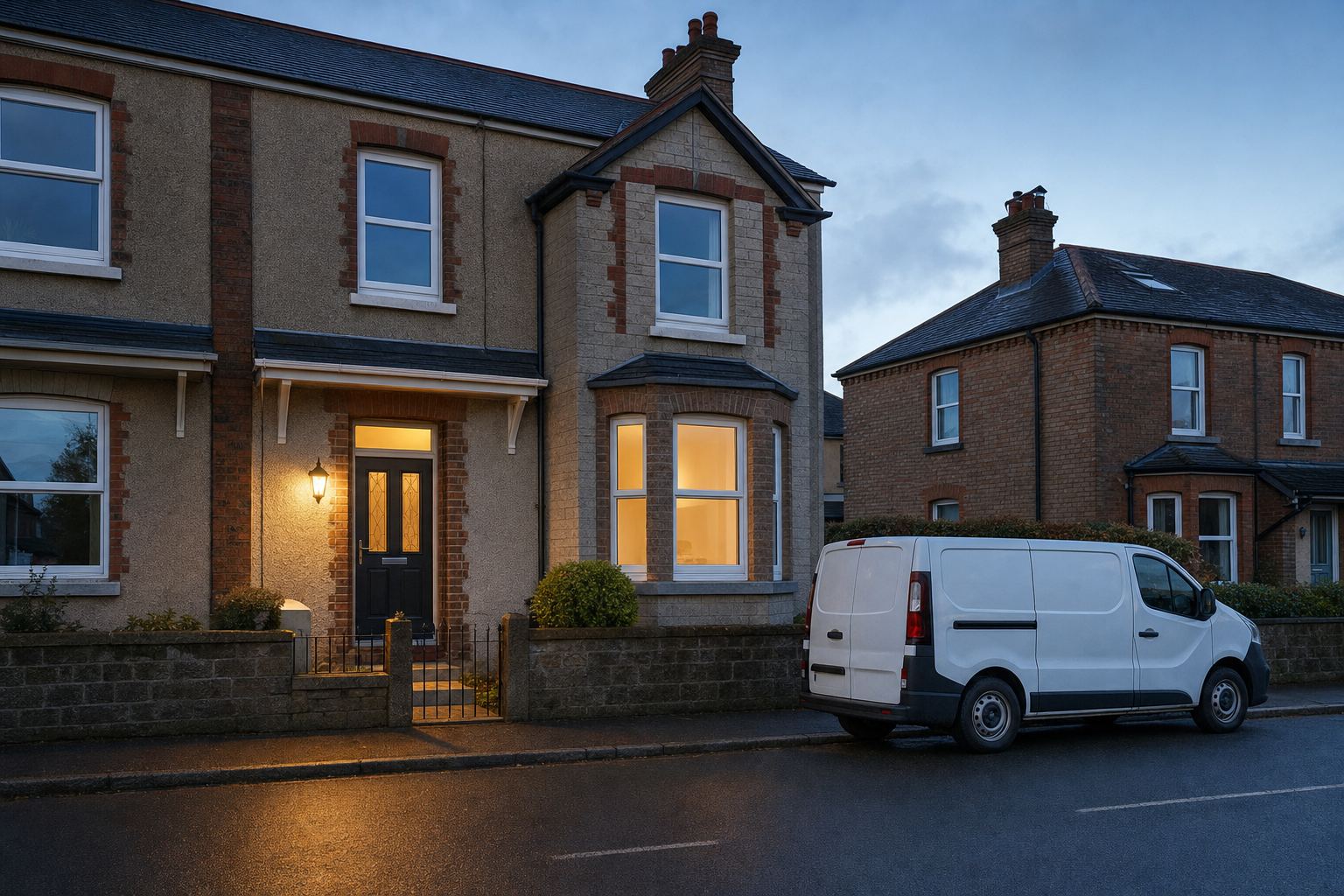
What to expect from our emergency electrician service
Safety led from the start
Early guidance can help you isolate risk before an urgent visit is arranged.
Phone triage that helps
Key details from the call shape the first response and likely next step.
Hazard first, repair next
The immediate job is making the installation safe before deeper diagnosis follows.
Safe handling of urgent electrical problems
When electrics move from inconvenient to worrying, speed matters but clear thinking matters more. Burning smells, overheating, exposed live parts, water near electrics, repeated tripping or a sudden loss of power can all need urgent attention. The safest first step is often to keep clear of the affected equipment and switch off the relevant supply if it is safe to do so. When you ring Natural Spark Ltd, we use the call to establish what is happening, what property is affected and whether the installation needs isolating or urgent attendance. That telephone triage is not red tape. It is how we judge risk before anybody starts poking at the wrong thing.
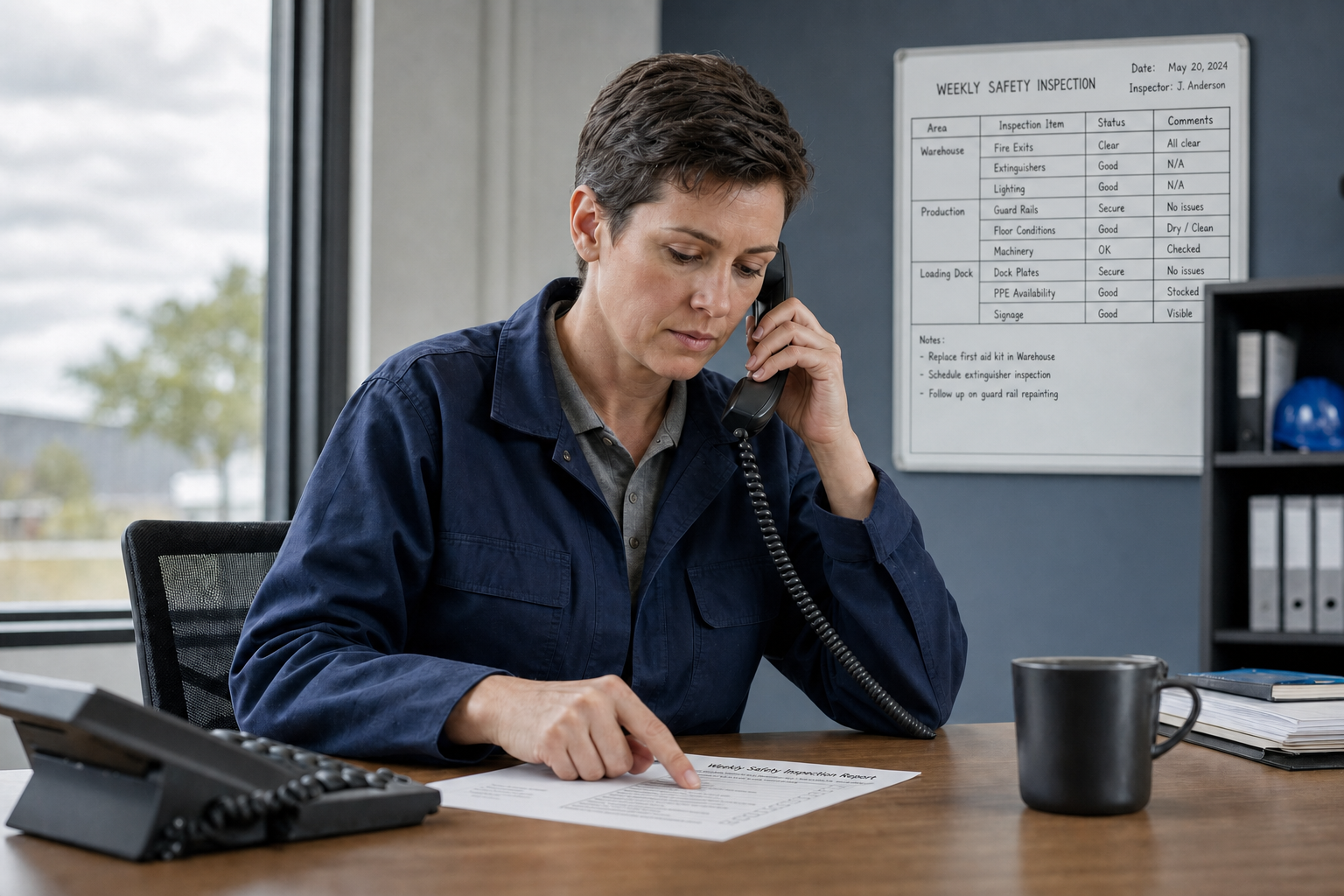

Emergency electrical fault finding and repairs
Urgent electrical work still needs a method. Our first objective is to identify the hazard and make the situation safe, then trace the fault and carry out the repair that fits what we find. With Natural Spark Ltd, useful details on the call can save time, such as which circuits have failed, any warning signs, any event that came just before the problem and whether there is a total or partial loss of power. When electrics are misbehaving, there is no prize for bravery, and definitely none for touching the bit that smells hot.
Frequently asked questions
What counts as an electrical emergency?
Problems such as burning smells, signs of overheating, exposed live parts, water near electrics, repeated tripping that will not settle or a sudden loss of power can all be urgent. The key issue is risk. If there is any sign that the installation may be dangerous, it is worth treating the situation seriously from the start.
What should I do before you arrive?
Keep clear of anything that looks damaged or overheated, and switch off the affected supply if it is safe to do so. Do not start dismantling accessories or testing things yourself. The most helpful first step is usually to make the area safer, then call and describe what is happening so the next action can be judged properly.
What details help most on an urgent call?
Useful details include which circuits or areas are affected, any warning signs such as smell, heat or sparking, whether the loss of power is total or partial and what happened just before the fault appeared. That information helps us judge the level of risk and whether isolation or urgent attendance is likely to be needed.