
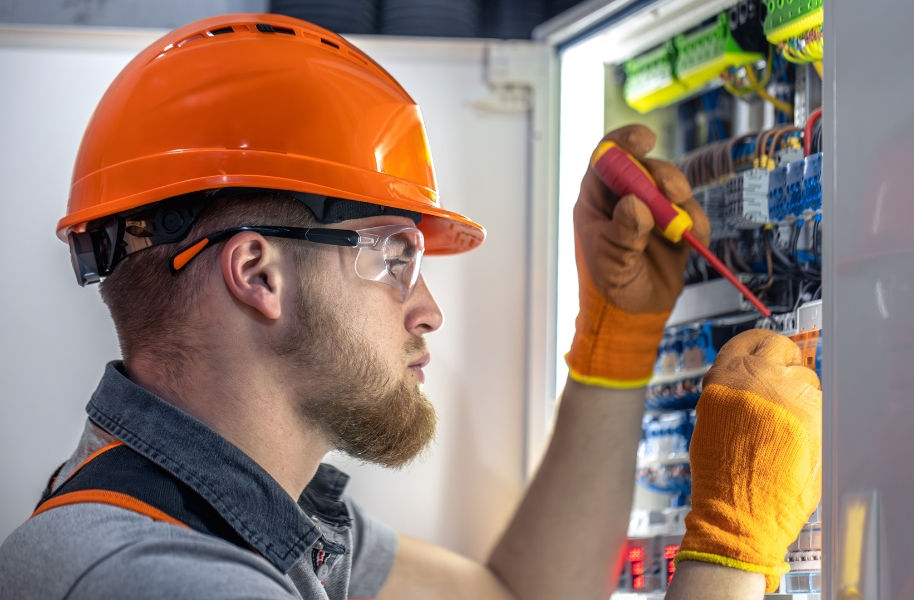
Benefits of upgrading your consumer unit
Existing circuits checked first
Testing helps us understand the installation before a replacement board is planned.
Protection explained plainly
We set out what RCDs, RCBOs and surge protection actually mean in use.
Clearer circuit layout
Labelling and identification help you understand what each circuit is serving.
Consumer unit upgrades begin with circuit testing
The consumer unit is the point where the installation is split into circuits and protected against faults. If it is outdated, short on capacity or missing the protective devices now expected, the rest of the electrics can only be as good as the board feeding them. We carry out upgrades where an older fuse box no longer suits the property, renovation work is planned or higher demand equipment is being added. Before any replacement, we assess and test the existing installation so the new arrangement matches the circuits and their condition. When you bring in Natural Spark Ltd, the change is planned around the wiring that is already there, not done blind.
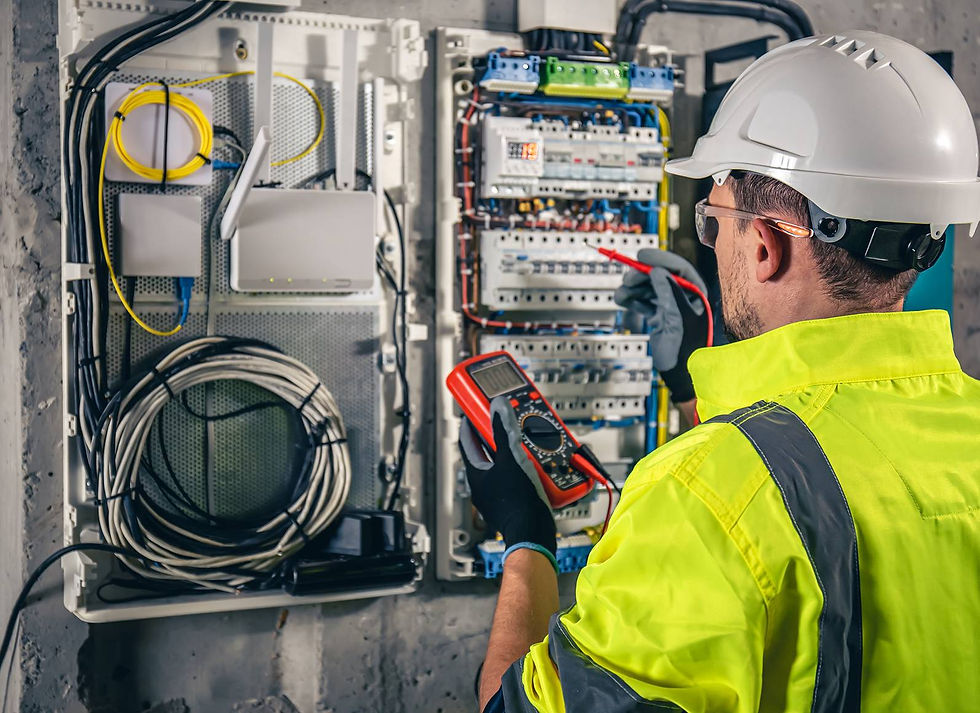
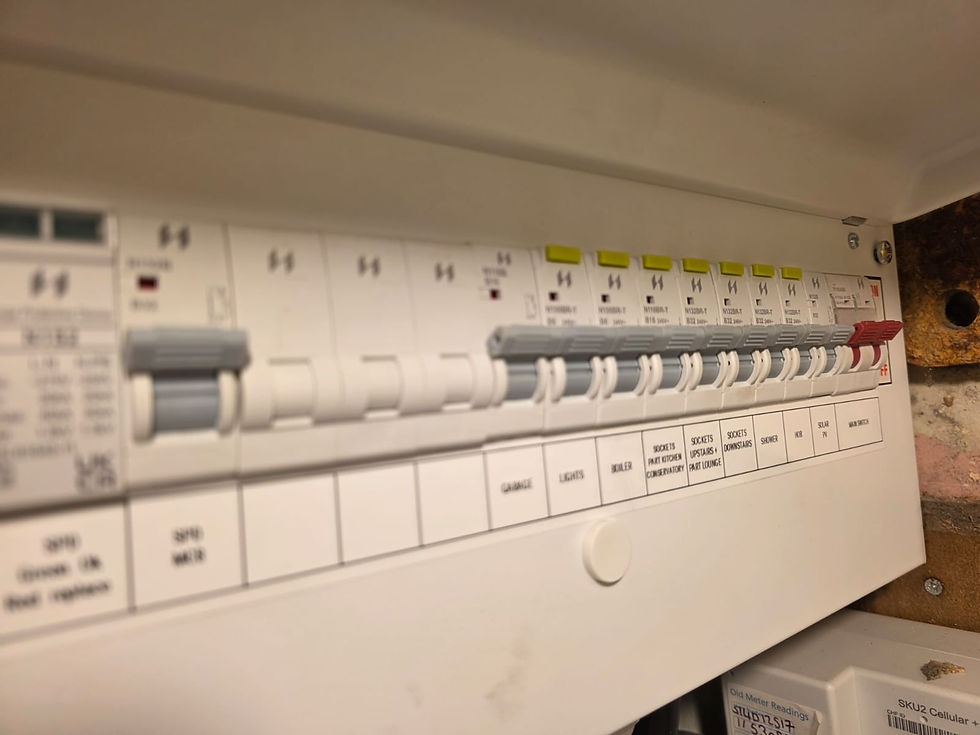
Modern consumer unit protection explained
Modern protection terms can sound like alphabet soup, but the idea is simple enough. Devices such as RCDs, RCBOs and surge protection are there to improve how circuits are monitored and disconnected when something goes wrong. With Natural Spark Ltd, safe isolation, replacement, circuit identification, testing, labelling and certification are all part of the upgrade. That gives you a clearer, more usable consumer unit rather than a newer box with the same old confusion attached to it.
Frequently asked questions
When is a fuse box upgrade worth considering?
It may be worth considering where an older unit is showing its age, where protective devices are limited, when renovation is planned or when high-demand equipment is being added. The important thing is to assess the condition of the existing installation first, because the board should suit the circuits it is serving rather than just look newer.
What are RCDs and RCBOs in plain terms?
They are protective devices that help disconnect circuits when fault conditions are detected. The names sound technical, but the practical point is better circuit protection and clearer control over how faults are handled. The best way to understand which are relevant is to look at the existing installation and what the upgraded board needs to achieve.
Can any old board be swapped for a new one?
Not sensibly without checking the existing circuits first. A replacement consumer unit has to be designed around the condition, layout and requirements of the installation it is serving. That is why assessment and testing matter. The board change may be one part of the work, but understanding the circuits behind it is just as important.