

Our approach to electrical fault finding and repairs
Diagnosis before replacement
We trace the underlying cause instead of changing parts for the sake of it.
Safe first, then repair
The affected installation is made safe before repair work and retesting follow.
Better use of your time
Clear symptom details help narrow the fault faster and avoid wasted steps.
Accurate electrical fault diagnosis
Electrical faults are rarely polite enough to sit still and identify themselves. A breaker trips now and then, a circuit dies only when one appliance is used, or lights flicker just enough to make you doubt your own eyes. We diagnose problems by starting with the symptoms, isolating the affected circuits and testing to trace the cause instead of swapping parts in hope. That matters because the fault might be a damaged accessory, but it could just as easily sit in the wiring, a loose connection, overload or insulation breakdown. When you call in Natural Spark Ltd, the first aim is to make things safe and work methodically towards the actual cause, not the most obvious guess.
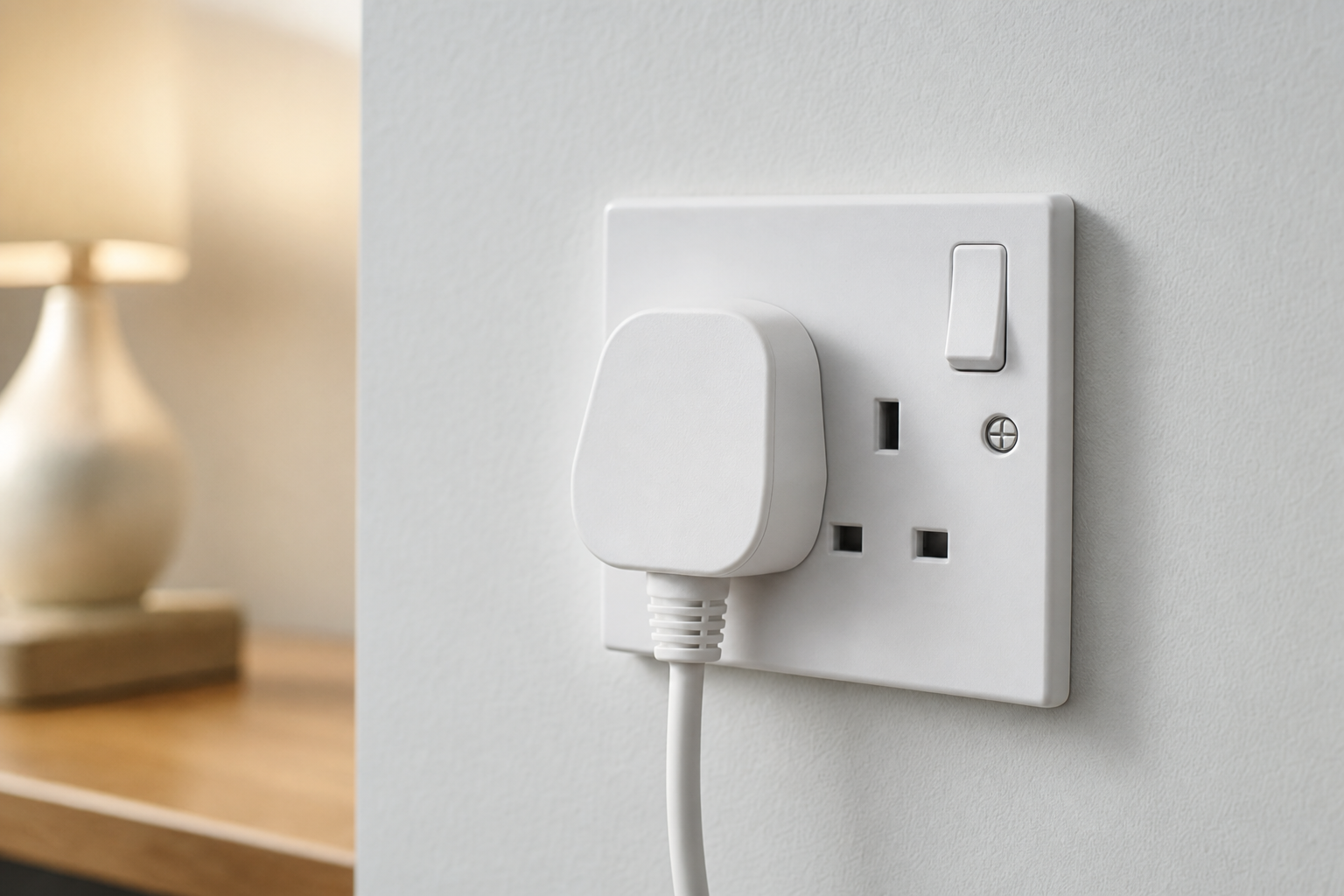

Electrical repairs tested for safety
Useful fault finding begins before we arrive. If you can say when the issue happens, which circuits are affected and what equipment is running at the time, the diagnosis becomes quicker and more direct. With Natural Spark Ltd, once the cause is found, we complete the repair that suits the fault and retest the affected circuit so the result is based on evidence, not wishful thinking. That approach helps with repeated tripping, dead sockets, damaged accessories, intermittent power and other electrical behaviour that has started to feel a bit too lively.
Frequently asked questions
Why does my breaker keep tripping?
Repeated tripping can come from several causes, including overload, a fault in connected equipment, damaged wiring or a problem with an accessory or circuit. That is why proper diagnosis matters. We look at the symptoms and test the affected parts of the installation rather than assume the breaker itself is always the culprit.
Can you trace an intermittent electrical fault?
Yes, although faults that appear only at certain times can take careful questioning as well as testing. Details about when the issue happens, what equipment is being used and which areas are affected often make a big difference. Those clues help narrow the likely cause instead of treating the fault as a complete mystery from the start.
Do you test the circuit after the repair?
We do, because a repair should not stop at changing a part and walking away. Once the cause has been dealt with, the affected circuit needs retesting to check that it is working as it should and that the fix is supported by the evidence from the installation, not by luck or a brief period of silence.